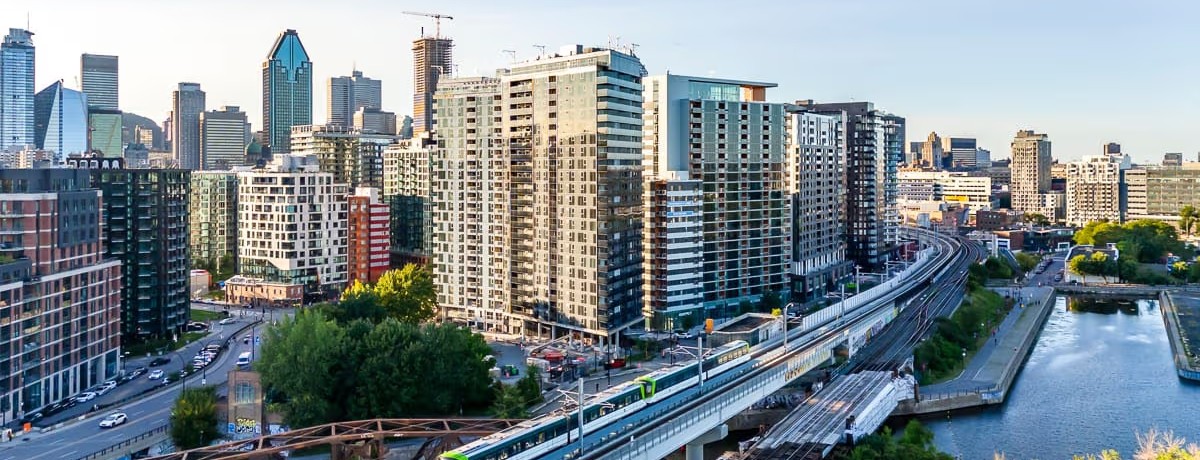
Griffintown has transformed dramatically over the past two decades and is now one of the most talked about neighbourhoods in Montreal real estate. Once an industrial district filled with warehouses and factories, the area has evolved into a modern urban neighbourhood known for luxury condos, waterfront living, restaurants, nightlife, and walkability.
Located just southwest of downtown Montreal along the Lachine Canal, Griffintown attracts young professionals, investors, first time buyers, and people looking for an urban lifestyle close to the city core.
But while the neighbourhood offers many advantages, it may not be the perfect fit for everyone. Understanding housing prices, property types, transit options, lifestyle, future development, and long term investment potential is important before buying or renting in the area.
This complete guide explains what living in Griffintown is really like in 2026 and why it continues to be one of Montreal’s most in demand neighbourhoods.
Where Is Griffintown?
Griffintown is located immediately southwest of downtown Montreal between Old Montreal, Little Burgundy, Pointe-Saint-Charles, and the Lachine Canal.
The neighbourhood offers quick access to:
• Downtown Montreal
• Autoroute 720 and Bonaventure
• Old Montreal
• The Bell Centre
• The REM network
• The Lachine Canal bike path
Its central location is one of the biggest reasons for its popularity among professionals working downtown.
The History of Griffintown
Griffintown has one of the most unique histories in Montreal.
Originally developed in the early 1800s, the area became a working class Irish industrial neighbourhood closely connected to the construction of the Lachine Canal and Montreal’s industrial economy.
For many decades, Griffintown was dominated by factories, warehouses, rail infrastructure, and industrial buildings. By the late 20th century, much of the neighbourhood had declined as industrial activity left the area.
Beginning in the early 2000s, major redevelopment projects transformed Griffintown into a residential and commercial hub focused largely on condo development.
Today, the neighbourhood blends historic industrial architecture with modern high rise towers, luxury condos, trendy cafés, and new public spaces.
What Is the Lifestyle Like in Griffintown?
Urban and Walkable
Griffintown is one of the most walkable neighbourhoods in Montreal.
Residents can easily access:
• Grocery stores
• Restaurants
• Coffee shops
• Fitness studios
• Pharmacies
• Parks
• The canal
• Downtown offices
Many people living in Griffintown rarely use a car during the week.
Popular Among Young Professionals
The neighbourhood is especially popular among:
• Young professionals
• First time buyers
• Tech workers
• Finance professionals
• Entrepreneurs
• Investors
The short commute to downtown is a major attraction for people working in Montreal’s business core.
Restaurants and Nightlife
Griffintown is known for its growing food and nightlife scene.
Popular nearby attractions include:
• Trendy restaurants
• Cocktail bars
• Cafés
• Canal-side terraces
• Breweries
• Fitness and wellness spaces
The neighbourhood has become one of Montreal’s most socially active urban districts.
Real Estate in Griffintown
Condo Dominated Market
Griffintown is heavily dominated by condominiums.
Buyers will primarily find:
• Modern condo towers
• Loft style units
• Luxury penthouses
• New construction projects
• Converted industrial spaces
Single family homes are extremely rare in the neighbourhood.
Average Property Prices in Griffintown
Prices fluctuate depending on building age, amenities, views, parking, and proximity to the canal or downtown core.
In 2026, approximate pricing ranges are:
• One bedroom condos: $400,000 to $650,000+
• Two bedroom condos: $600,000 to $950,000+
• Luxury penthouses: $1M+
Buildings with pools, gyms, rooftop terraces, and concierge services often command higher prices and condo fees.
Condo Fees
Condo fees vary significantly depending on amenities and building management.
Monthly condo fees may cover:
• Building insurance
• Heating and cooling systems
• Maintenance
• Snow removal
• Security
• Reserve fund contributions
• Shared amenities
Buyers should always review condo financial statements carefully before purchasing.
Is Griffintown a Good Area for Investment?
Griffintown remains one of Montreal’s most popular investment markets because of:
• High rental demand
• Downtown proximity
• Modern housing stock
• Ongoing development
• Strong appeal to professionals and students
However, investors should also understand some of the risks.
Competition Among Condo Listings
Because so many condo units exist in Griffintown, competition can sometimes become intense, especially in slower markets.
Buildings with poor management or limited differentiation may struggle more than unique or premium properties.
Rental Demand
Rental demand remains strong due to:
• Downtown employment
• Universities nearby
• REM accessibility
• International workers
• Young professionals
Modern furnished units are particularly attractive in the area.
Transportation and Transit
Metro Access
Griffintown does not currently have its own traditional Montreal Metro station directly inside the neighbourhood, but residents are close to:
• Bonaventure Station
• Lucien-L’Allier Station
• Georges-Vanier Station
REM Access
The REM has significantly improved transit accessibility in nearby areas and increased long term development interest around Griffintown.
Bike Friendly Neighbourhood
The Lachine Canal bike path is one of Montreal’s most popular cycling routes.
Residents can bike easily to:
• Downtown
• Old Montreal
• Atwater Market
• Verdun
• Westmount
Parks and Outdoor Spaces
One of Griffintown’s biggest advantages is access to outdoor spaces despite its urban density.
Nearby outdoor attractions include:
• Lachine Canal
• Canal pathways
• Dog parks
• Green spaces
• Running and cycling paths
The canal area becomes especially popular during the summer months.
Schools and Families
Griffintown historically attracted mostly young professionals and couples, but more families are beginning to move into the neighbourhood.
That said, compared to more family oriented areas like NDG or Rosemont, Griffintown still has:
• Fewer schools
• Fewer large parks
• Smaller average unit sizes
Families often prioritize larger condos or nearby neighbourhoods offering more green space.
Advantages of Living in Griffintown
Central Location
Few neighbourhoods offer such quick access to downtown Montreal.
Modern Buildings
Many properties include:
• Gyms
• Rooftop terraces
• Pools
• Security systems
• Smart home features
Strong Rental Demand
The neighbourhood continues to attract renters from across Montreal and internationally.
Walkability
Residents can complete many daily errands without needing a vehicle.
Lifestyle Appeal
The combination of restaurants, nightlife, canal access, and modern housing creates strong lifestyle appeal.
Potential Drawbacks of Griffintown
Construction and Development
Ongoing construction remains common in parts of the neighbourhood.
Higher Condo Fees
Luxury buildings can carry significant monthly fees.
Limited Historic Residential Character
Some buyers prefer neighbourhoods with more traditional Montreal architecture and tree lined streets.
Traffic and Parking
Traffic congestion and parking limitations can be challenging, particularly during busy hours.
Who Should Consider Living in Griffintown?
Griffintown may be ideal for:
• Young professionals
• Condo buyers
• Investors
• Downtown workers
• First time buyers
• People seeking an urban lifestyle
Buyers seeking large backyards, detached homes, or quieter suburban environments may prefer other neighbourhoods.
Final Thoughts
Griffintown has become one of Montreal’s most recognizable modern neighbourhoods. Its combination of downtown accessibility, luxury condos, canal access, and urban lifestyle continues to attract buyers and investors from across the city and internationally.
While the neighbourhood may not suit every lifestyle, it remains one of the strongest condo and rental markets in Montreal in 2026.
Understanding building quality, condo finances, future development, and long term goals is essential before buying in Griffintown.
If you are considering buying, selling, or investing in Griffintown real estate, I would be happy to help you better understand the market and available opportunities.
Call me at 514-777-1535 or email christopher@ccmrealty.ca for personalized real estate advice in Montreal.