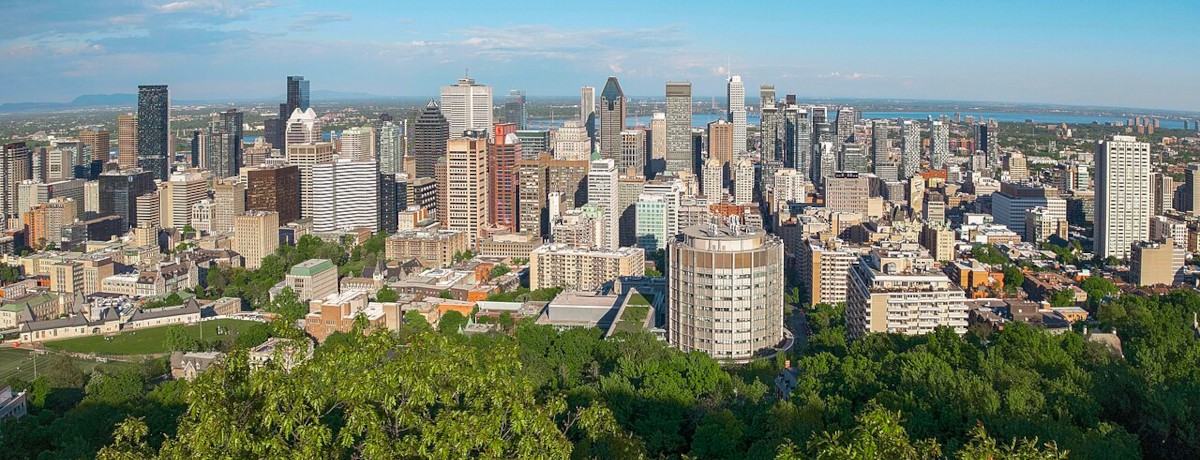
Whether you're buying your first home, upgrading to a larger property, investing in real estate, or preparing to sell, understanding how the Montreal real estate market works is one of the most valuable tools you can have.
Every year, thousands of buyers and sellers enter the Montreal housing market with questions such as:
- Is it a buyer's market or a seller's market?
- Are prices going up or down?
- Should I wait before buying?
- Is now a good time to sell?
- What factors influence home prices?
The reality is that the Montreal real estate market is constantly evolving. Interest rates, inventory levels, local economic conditions, population growth, government policies, and consumer confidence all play important roles.
Understanding these factors can help you make informed decisions instead of reacting to headlines or market speculation.
In this comprehensive guide, we'll explain how the Montreal real estate market works, what drives property values, how different property types perform, and what buyers and sellers should know before making one of the biggest financial decisions of their lives.
Complete Guide to Buying Real Estate in Montreal
What Makes the Montreal Real Estate Market Unique?
Compared to many other major Canadian cities, Montreal offers a unique combination of affordability, economic diversity, historic neighbourhoods, and long-term stability.
While prices have increased significantly over the past decade, Montreal remains more affordable than cities such as Toronto and Vancouver.
Several factors contribute to the city's resilience:
- Strong population growth.
- Consistent immigration.
- World-renowned universities.
- A diversified economy.
- Extensive public transit.
- High quality of life.
- A relatively limited housing supply in desirable neighbourhoods.
These factors continue supporting long-term demand across many segments of the market.
The Different Property Types
Understanding the various property types helps explain why different market segments often perform differently.
Single-Family Homes
Detached homes remain highly desirable because they offer:
- More privacy.
- Larger lots.
- Additional living space.
- Greater renovation flexibility.
However, they generally require larger down payments and higher maintenance costs.
Condominiums
Condos are often the most accessible entry point into the Montreal real estate market.
Many buyers choose condominiums because they offer:
- Lower purchase prices.
- Reduced maintenance responsibilities.
- Attractive urban locations.
- Modern amenities.
However, buyers should also consider condo fees, reserve funds, and the financial health of the condominium corporation.
Montreal Condo Market Explained
Plexes
Montreal is famous for its duplexes, triplexes, and larger multiplex buildings.
These properties appeal to:
- Investors.
- Owner-occupants.
- Multi-generational families.
Rental income can offset ownership costs while providing long-term investment potential.
Understanding Supply and Demand
Like every housing market, Montreal operates according to supply and demand.
When demand exceeds available inventory, prices generally rise.
When inventory increases faster than buyer demand, market conditions become more balanced.
Several factors influence both sides of the equation.
Factors That Increase Demand
Buyer demand often increases because of:
- Lower mortgage interest rates.
- Population growth.
- Immigration.
- Employment growth.
- Consumer confidence.
- Government housing programs.
Factors That Increase Supply
Inventory often grows when:
- More homeowners decide to sell.
- New condominium projects are completed.
- Investors list rental properties.
- Market conditions encourage additional listings.
The relationship between supply and demand largely determines whether buyers or sellers have greater negotiating power.
Understanding Market Conditions
You'll often hear the terms buyer's market, seller's market, and balanced market.
These describe the relationship between available inventory and buyer demand.
Seller's Market
A seller's market occurs when there are relatively few homes available compared to the number of buyers.
Typical characteristics include:
- Rising prices.
- Multiple offers.
- Short selling times.
- Limited negotiating opportunities.
Buyer's Market
A buyer's market occurs when inventory exceeds buyer demand.
Characteristics often include:
- More price negotiations.
- Longer selling periods.
- Increased buyer choice.
- More conditional offers.
Balanced Market
A balanced market falls somewhere between the two extremes.
Neither buyers nor sellers hold a significant advantage.
Transactions continue steadily while prices typically grow at a more sustainable pace.
Many experts consider balanced markets healthier because they allow both buyers and sellers to make thoughtful decisions without excessive pressure.
June Market Update for Montreal
What Influences Home Prices?
Property values never change for a single reason.
Instead, numerous factors interact simultaneously.
Interest Rates
Mortgage rates have one of the largest impacts on housing affordability.
Higher rates reduce purchasing power.
Lower rates generally stimulate demand.
However, interest rates are only one part of the overall picture.
Location
Location continues to be one of the strongest influences on long-term property values.
Neighbourhoods with excellent schools, public transit, parks, restaurants, and employment opportunities often experience stronger demand.
Best Neighborhoods in Montreal for Buyers
Property Condition
Updated kitchens.
Modern bathrooms.
Energy-efficient improvements.
Well-maintained exteriors.
Professional staging.
These features often improve marketability and selling prices.
Inventory Levels
Even desirable properties may experience slower sales when inventory increases significantly.
Conversely, limited inventory often increases competition among buyers.
Government Policies That Affect the Market
Government regulations can influence both buyers and sellers.
Some examples include:
- Mortgage qualification rules.
- Down payment requirements.
- Foreign buyer restrictions.
- Property transfer taxes.
- Municipal taxation.
- Housing affordability initiatives.
These policies can change over time, making it important to stay informed before buying or selling.
Can Foreigners Buy Property in Quebec?
Common Mistakes Buyers Make
Understanding the market is only helpful if buyers avoid common mistakes.
Trying to Time the Market Perfectly
Many buyers postpone purchasing because they hope prices will decline dramatically.
While markets naturally fluctuate, perfectly predicting future prices is nearly impossible.
Waiting too long can sometimes cost more than buying sooner.
Ignoring Total Ownership Costs
Many first-time buyers focus exclusively on the purchase price.
They sometimes overlook:
- Property taxes.
- Welcome tax.
- Home insurance.
- Condo fees.
- Utility costs.
- Maintenance expenses.
What Taxes Do Montreal Home Buyers Pay?
Shopping Without Mortgage Pre-Approval
Obtaining mortgage pre-approval before beginning your search provides a clear understanding of your budget and strengthens your position when making an offer.
It also reduces the risk of disappointment later in the buying process.
Common Mistakes Sellers Make
Just as buyers benefit from understanding market conditions, sellers also improve their chances of success by avoiding common mistakes.
Overpricing the Property
One of the most common mistakes is setting an asking price based on emotion rather than current market data.
While every homeowner wants to maximize their sale price, buyers compare properties carefully. An overpriced home may remain on the market longer, require multiple price reductions, and ultimately sell for less than if it had been priced correctly from the beginning.
Ignoring Property Presentation
First impressions matter.
Professional photography.
Decluttering.
Minor repairs.
Fresh paint where appropriate.
Well-maintained landscaping.
These relatively small improvements can significantly increase buyer interest and help a property stand out in a competitive market.
Focusing Only on Recent Headlines
News articles often highlight extreme market conditions.
However, real estate is highly local.
The conditions affecting one neighbourhood, property type, or price range may be very different from another.
Working with accurate local market data leads to better decisions than relying solely on national headlines.
Current Trends in the Montreal Real Estate Market
Although market conditions change over time, several long-term trends continue shaping Montreal real estate.
Population Growth
Montreal continues attracting new residents through immigration, education, and employment opportunities.
Population growth supports long-term housing demand across many neighbourhoods.
Housing Supply Challenges
New construction continues, but demand for housing often exceeds the pace at which new homes are built.
Limited supply contributes to long-term price stability.
Changing Buyer Preferences
Today's buyers increasingly value:
- Walkable neighbourhoods.
- Public transit access.
- Home offices.
- Energy-efficient homes.
- Outdoor space.
- Flexible living arrangements.
These preferences continue influencing property values throughout the city.
Frequently Asked Questions
Is the Montreal real estate market still growing?
Generally, yes.
While the pace of growth varies from year to year, Montreal has experienced long-term appreciation supported by population growth, a diversified economy, and ongoing housing demand.
Is now a good time to buy?
There is rarely a "perfect" time to buy.
The right time depends on your financial situation, long-term plans, and personal goals rather than attempting to predict short-term market movements.
First-Time Buyer Guide for Montreal
Is now a good time to sell?
For many homeowners, yes.
Well-priced properties in desirable locations continue attracting qualified buyers.
Success depends more on realistic pricing and effective marketing than attempting to perfectly time the market.
Which property type performs best?
There is no universal answer.
Single-family homes, condominiums, and plexes each appeal to different buyers and perform differently depending on market conditions.
Choosing the right property depends on your goals, budget, and investment horizon.
Should investors still consider Montreal?
Many investors continue viewing Montreal as an attractive long-term market because of its economic diversity, relatively affordable prices compared to other major Canadian cities, and ongoing rental demand.
Best Areas in Montreal for Real Estate Investment
Tips for Buyers
- Obtain mortgage pre-approval before viewing properties.
- Focus on neighbourhood quality rather than attempting to perfectly predict future prices.
- Budget for all ownership costs, not just the purchase price.
- Be patient during your search.
- Work with professionals who understand the local market.
Tips for Sellers
- Price your property according to current market conditions.
- Prepare your home before listing it.
- Invest in professional photography.
- Be flexible during negotiations.
- Review comparable sales rather than relying on emotion.
Why Local Knowledge Matters
Real estate markets are incredibly local.
Two neighbourhoods only a few kilometres apart can experience very different levels of demand, inventory, and price appreciation.
Even within the same neighbourhood, detached homes, condominiums, and plexes may perform differently.
Understanding local conditions allows buyers to identify opportunities and helps sellers establish realistic pricing strategies.
This is one of the reasons working with a knowledgeable Montreal real estate broker can provide significant value throughout the buying or selling process.
Final Thoughts
The Montreal real estate market is influenced by many factors, including supply and demand, interest rates, government policies, economic conditions, and consumer confidence.
No single headline or monthly statistic tells the entire story.
Successful buyers and sellers focus on long-term trends, understand their personal financial goals, and make decisions based on reliable local market information rather than speculation.
Whether you are purchasing your first home, upgrading, downsizing, investing, or selling a property, understanding how the Montreal real estate market works will help you make more informed decisions and navigate the process with confidence.
As Montreal continues to grow and evolve, its combination of affordability, economic strength, vibrant neighbourhoods, and diverse housing options is likely to keep it one of Canada's most attractive real estate markets for years to come.
Complete Guide to Buying Real Estate in Montreal
June Market Update for Montreal
If you're thinking about buying or selling real estate in Montreal or anywhere in Quebec, I'd be happy to help. Call me at 514-777-1535 or email Christopher@CCMRealty.ca to discuss your real estate goals.